Healing holistically: Integrative ways to manage stress and mental health in Edmonton
Edmonton’s cold winters, busy lives, wide distances, and frequent demands can compound stress. Many people here benefit from services that go beyond talk therapy alone: interventions that help the body calm, emotions settle, and the spirit find peace. Integrative care offers evidence-based, inclusive, and patient-centred options.

Stress is more than a mental burden; it affects our bodies, emotions, and sometimes our spirits. At Park Integrative Health, we believe real healing happens when you care for the whole being: mind, body, and spirit.
Why an integrative approach to health works
Studies consistently show that mind-body interventions (like mindfulness, yoga, meditation, and relaxation) reduce symptoms of stress, anxiety, and depression. One review found that such practices are especially effective in populations facing multiple disadvantages.[1] They help regulate emotions, lower physiological stress responses, and improve quality of life.
At Park Integrative Health, we offer a broad range of services that support mind-body wellness, meaning approaches that address both physical symptoms and mental/emotional well-being as part of a person’s overall health. Some of these include:
Individual, couples, or group therapy
Energetic healing and Reiki
Massage therapy
Craniosacral therapy
Manual osteopathic therapy
Acupuncture
Nutrition counselling
Occupational therapy
and more.
All of these services are designed to work together to offer you a complete wellness experience. When you add in the collaborative approach that each provider takes to work together for your well-being, it really puts the integrative model to work.
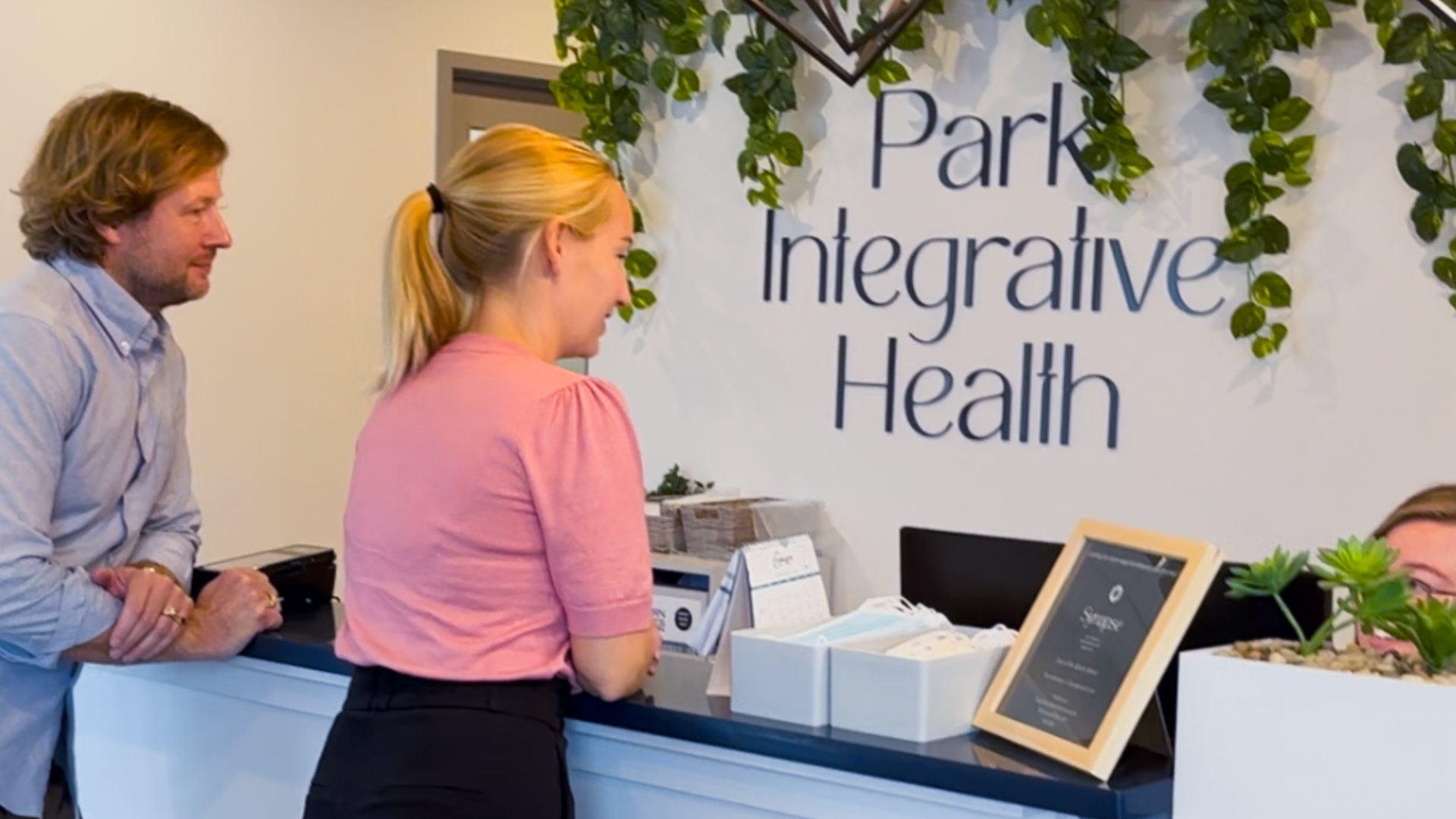
What mind, body, emotional, and spiritual wellness looks like
While every patient is different and requires a unique wellness path, an integrative approach that cares for all facets might include:
Therapy for anxiety, mood, grief, etc., that also respects spiritual beliefs or sources of meaning.
Movement, relaxation techniques, breathwork, and physical care to help the nervous system calm.
Tools to process emotions: journaling, spiritually aligned reflection, or practices that help with emotional regulation.
Regular massage therapy, acupuncture, or energetic healing appointments to support overall wellness.
These aren’t separate tracks. Rather, they feed into one another. Strong emotions affect physical health; spiritual or existential struggles can influence mental symptoms; body tension feeds anxiety. Integrative care addresses all of them.
Similarly, a collaborative care model that includes education (i.e., teaching people about how mental health works, coping strategies, etc.) in group or individual settings improves mental health outcomes, especially when combined with physical care. [2]
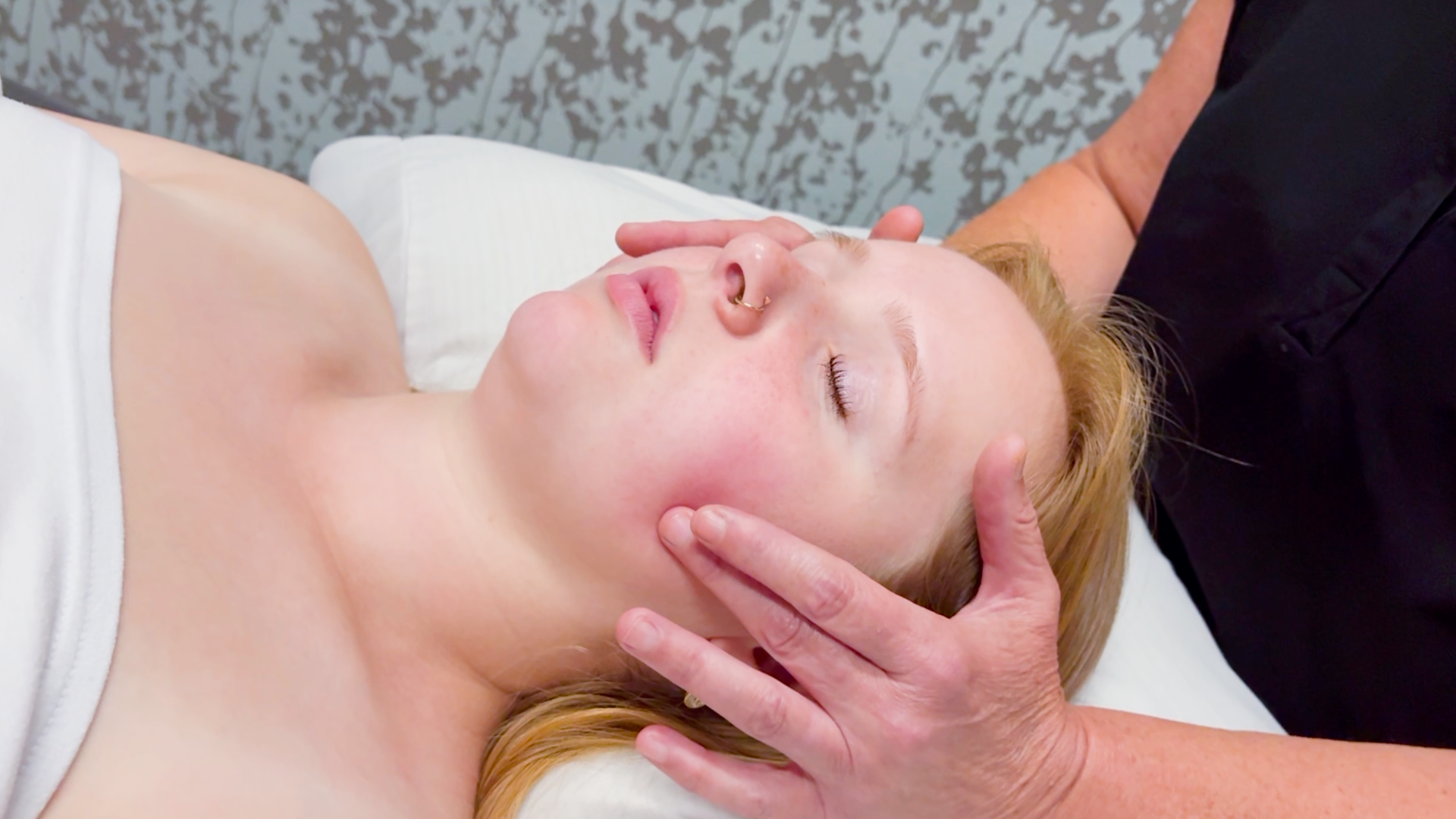
How to seek an integrative approach to your care
If you’re noticing distress that doesn’t ease with rest or simple supports, that’s a sign. For example:
Anxiety that disrupts daily life (sleep, work, family)
Ongoing symptoms (physical or emotional) that feel overwhelming
A sense of being disconnected — spiritually empty, emotionally drained, physically exhausted
Situations where multiple areas are affected: mood, thoughts, body, sense of meaning
As a first step, we suggest starting by booking a FREE 45-minute consultation with a member of our Client Care team. During these consultations, you'll share your concerns and health goals with our Registered Clinical Social Worker, and they will provide guidance, suggestions, and referrals (if applicable) to allied health services that will support you on your wellness journey.
The next step in seeking integrative health care is to follow through with the plan you set with your Client Care Consultant, and ensure you're taking care of yourself outside of appointments, too.
Click here to learn more about our Client Care Program or book your free 45-minute consultation.
——
Supporting sources:
[1] Mind–Body Approaches to Treating Mental Health Symptoms Among Disadvantaged Populations: A Comprehensive Review https://pmc.ncbi.nlm.nih.gov/articles/PMC4761814/
[2] Successful ingredients of effective Collaborative Care programs in low- and middle-income countries: A rapid review https://pmc.ncbi.nlm.nih.gov/articles/PMC10579696/