
Combined Decongestive Therapy
at Park Integrative Health™
Sherwood Park and Edmonton
Combined Decongestive Therapy (CDT) is the gold-standard treatment for lymphedema, combining manual lymphatic drainage, compression therapy, exercise, and skin care to help reduce swelling and support long-term management.
What is Combined Decongestive Therapy (CDT)?
Combined Decongestive Therapy (CDT) combines Manual Lymphatic Drainage, remedial exercise therapy, compression bandaging (or compression garments in the maintenance phase), and therapeutic skin care. It may also include breathing and aquatic exercises. According to the International Society of Lymphology, this is the treatment of choice for lymphedema. Treatment involves an Initial Phase and a Maintenance Phase for successful, long-term results.
When should I seek a combined decongestive Therapy (CDT) treatment?
You should seek Combined Decongestive Therapy (CDT) when you have persistent swelling (lymphedema) that isn’t resolving on its own or with basic measures like elevation or compression alone. CDT is considered the gold-standard treatment for lymphedema and certain chronic edema conditions.
You should consider CDT if you have swelling that is progressive or worsening, or lasts more than a few weeks.
CDT is an effective treatment for the following ailments:
Diagnosed with lymphedema, whether:
Primary (congenital or hereditary)
Secondary (after cancer treatment, surgery, radiation, trauma, or infection)
Post-cancer treatment swelling, especially after:
Lymphnode removal
Radiation therapy
Chronic venous insufficiency with hard, fibrotic swelling
Recurrent cellulitis or skin infections related to swelling
Heaviness, tightness, aching, or reduced mobility in a swollen limb
Skin changes such as thickening, fibrosis, or pitting edema
Swelling that worsens throughout the day or does not fully resolve overnight
Compression garments alone are no longer effective
You want to prevent long-term complications, such as infections or permanent tissue changes
CDT should be delayed or modified if you have an active infection such as cellulitis, untreated congestive heart failure, acute deep vein thrombosis or severe arterial disease.
Earlier treatment leads to better outcomes. Starting CDT in the early stages of swelling can reduce limb volume more effectively, prevent fibrosis, and improve long-term self-management.
What should I expect from a CDT appointment?
A Combined Decongestive Therapy (CDT) appointment is structured, hands-on, and very individualized. Knowing what to expect can make it feel much more comfortable and empowering.
Your therapist will start with a thorough assessment, which may include:
A detailed medical history (surgeries, cancer treatment, infections, injuries)
Review of current symptoms (swelling, heaviness, tightness, pain, skin changes)
Measurements of the affected area (tape, perometry, or photos)
Skin assessment (dryness, redness, fibrosis, wounds)
Screening for contraindications (infection, heart issues, blood clots)
You’ll have plenty of time to ask questions — CDT is a very collaborative treatment.
A session usually lasts 45–90 minutes and may include:
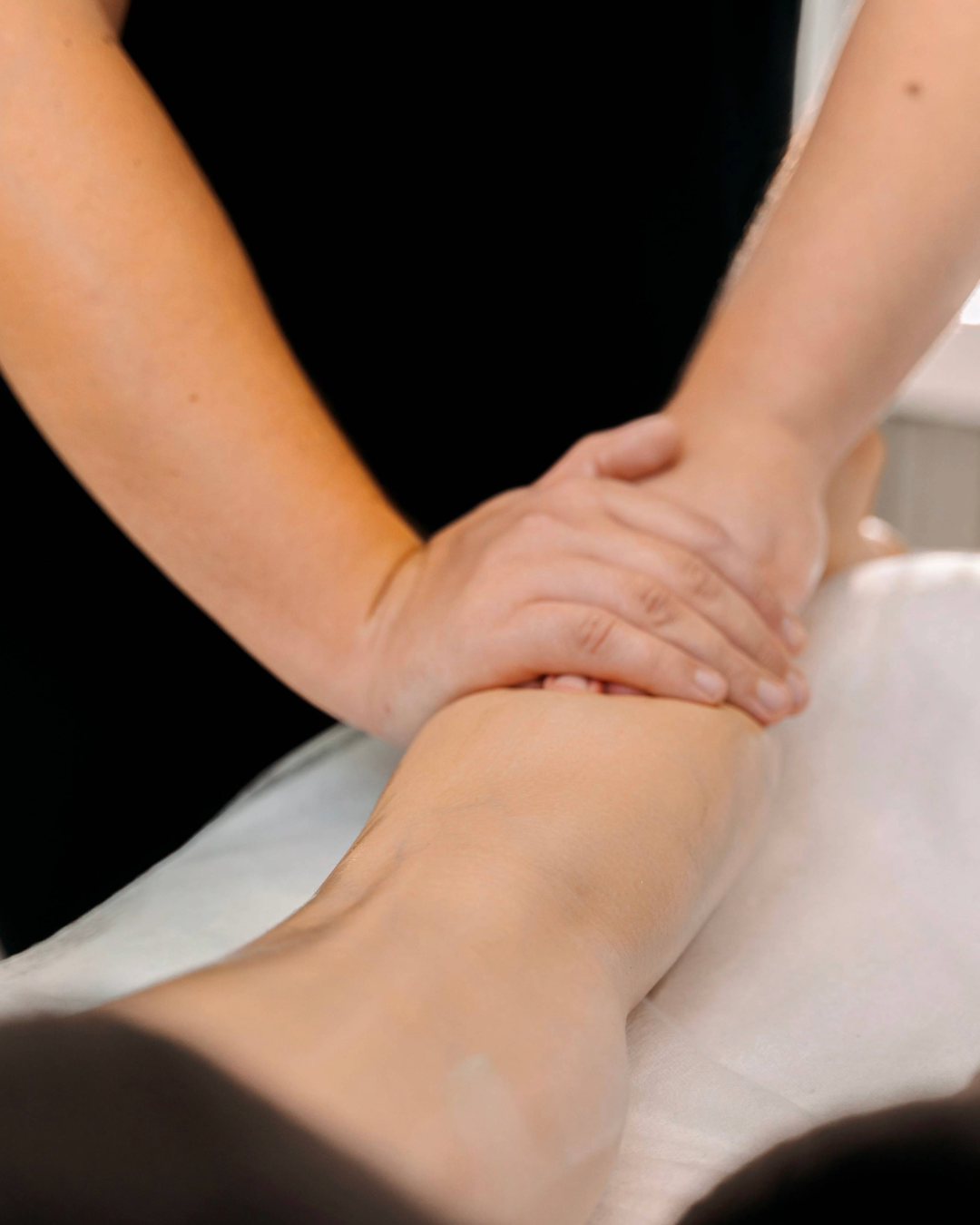
Manual Lymphatic Drainage (MLD) is a gentle, rhythmic, skin-stretching technique with very light pressure (not deep massage) that focuses on rerouting lymphatic fluid to healthy lymphatic pathways.
Compression bandaging (or compression garments if it is a Maintenance Phase appointment).
Remedial Exercise Therapy, including simple, gentle movements performed with compression on, with low intensity and breathwork, which is designed to stimulate lymph flow.
Therapeutic skin care education on keeping skin clean, moisturized, and protected to help prevent infections (like cellulitis).
After the appointment, you may notice reduced swelling or heaviness, increased urination, a feeling of lightness or fatigue, or temporary tightness from bandaging (this should not be painful). You will leave your appointment with bandages or garments on, home care instructions, and a treatment plan.
A treatment plan may include:
Initial Phase treatment: often 2–5 sessions per week for several weeks.
Maintenance Phase treatment: less frequent visits focused on long-term control.
Wear loose, comfortable clothing, shorts or a tank top if treating limbs or trunk. Bring any current compression garments and skincare products you are currently using.